

New Energy & Decarbonization — Scaling Sustainability to a New Size
Scalable containment solutions for the carbon-neutral fuels and systems of tomorrow
From onboard CO₂ capture to hydrogen-powered mobility — LATTICE helps you decarbonize at industrial scale. Our containment systems are built to handle extreme temperatures, pressures, and regulations while reducing the total cost of transitioning to zero-emission energy.
Built for the Energy Transition
Engineered to handle the full spectrum of low-carbon and zero-emission alternatives — including NH₃, LH₂ and captured CO₂ — across all phases of infrastructure and transport.
Lower Total Cost of Decarbonization
Our containment systems are optimized to reduce the levelized cost of storage, transport, and disposal per ton — a game-changer for CCUS and green fuel adoption.
Flexible Integration Across Value Chains
From onboard capture and storage to terminal-scale infrastructure — our technology fits your process, footprint, and pressure requirements.
Extreme Conditions. Controlled.
Built to operate safely at cryogenic temperatures and high pressure, enabling liquid storage of volatile gases like LH₂ and LCO₂ without compromise.
Maritime Decarbonization
Decarbonize Your Fleet — Without Waiting for New Fuel Infrastructure
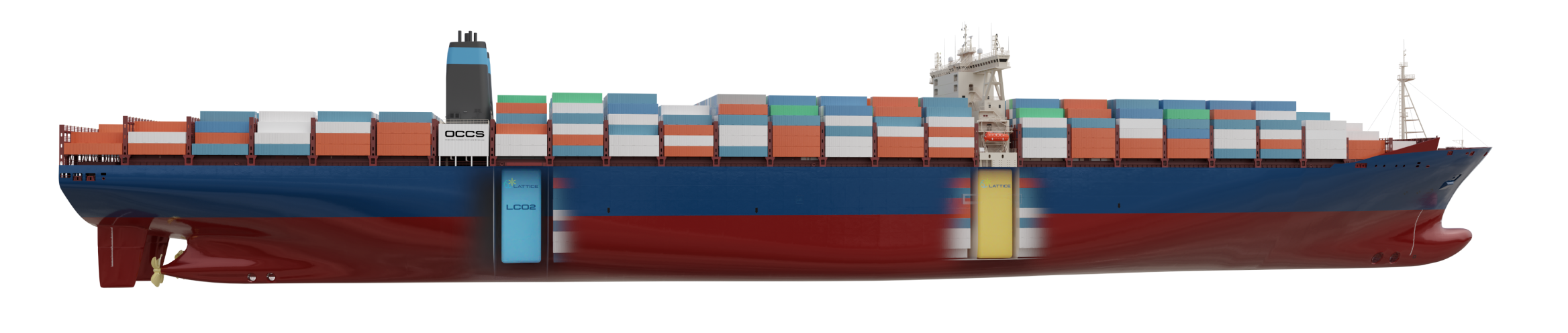
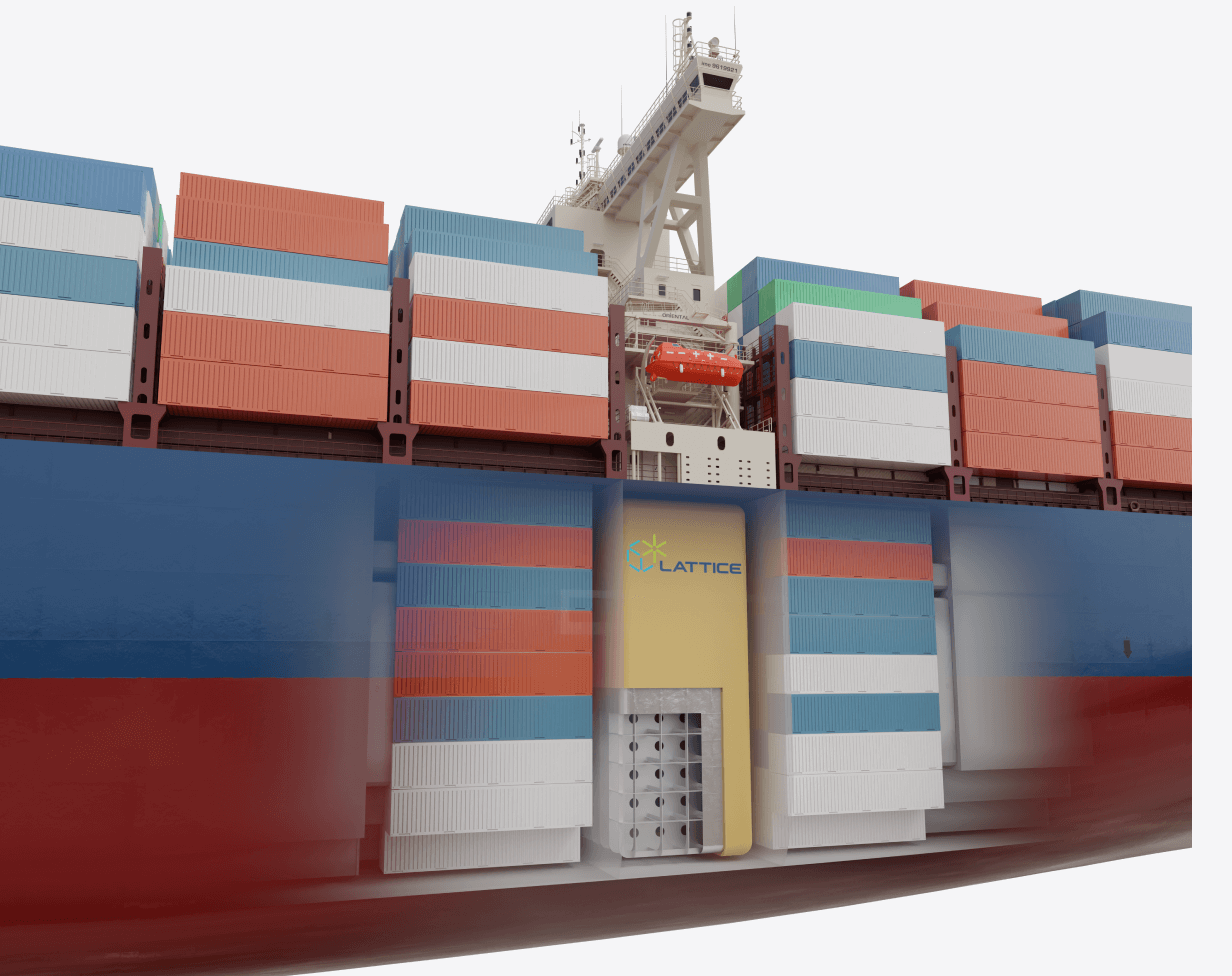
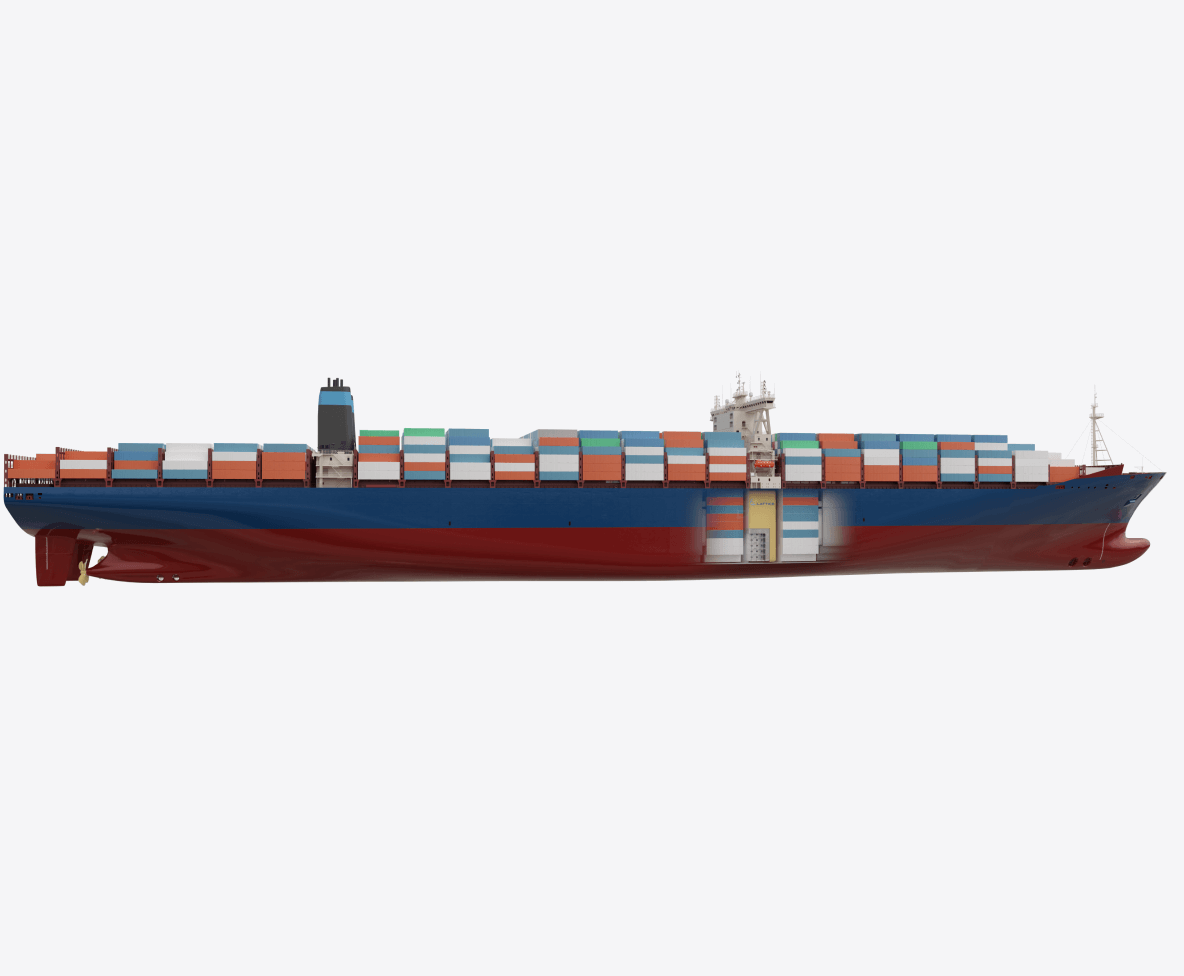
The maritime industry faces intense pressure to cut emissions — but switching to new fuels can be slow, costly, and dependent on undeveloped global infrastructure. Onboard Carbon Capture & Storage (OCCS) offers a faster, proven alternative.
By integrating an OCCS unit with a high-efficiency CO₂ containment system, fleet operators can begin reducing emissions now, using existing fuels and infrastructure. This approach enables measurable CO₂ reductions with minimal disruption to operations or revenue flow.
CCUS Value Chain
Driving Down the Cost of Every Captured Tonne
To make Carbon Capture, Utilization & Storage (CCUS) a globally scalable solution, we must reduce the cost and complexity of moving CO₂ from capture to final deposit. That’s where our containment solutions come in.
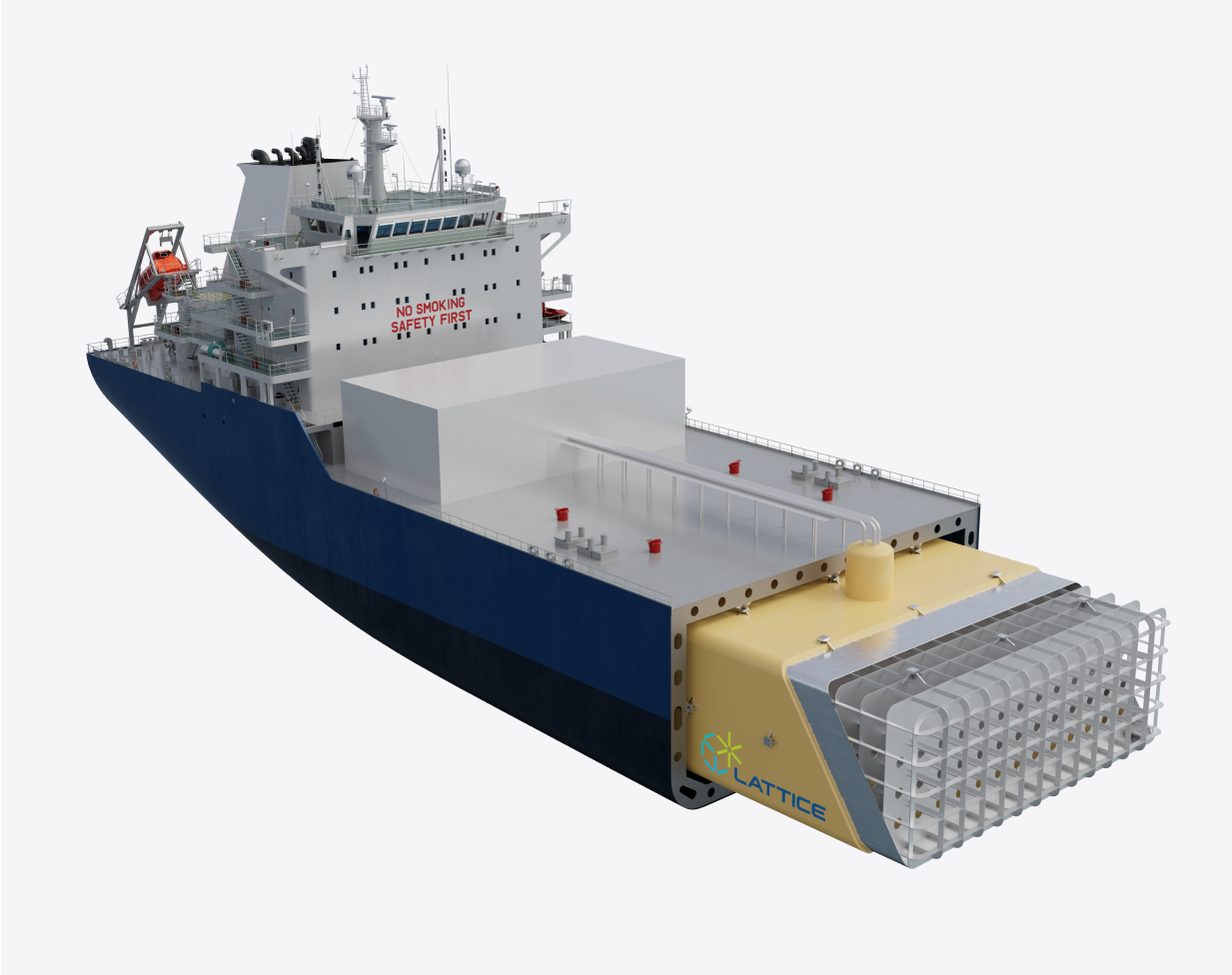
We provide tailored storage systems for every stage of the CCUS chain — from industrial emission sites and transport vessels to offshore injection units and onshore terminals. By optimizing volume, pressure rating, and structural integration, we help reduce the levelized cost per tonne of CO₂.
Green Mobility
Unlocking the Full Potential of Hydrogen and Ammonia Fuels
The mobility sector is rapidly exploring alternative energy carriers — and liquid hydrogen (LH₂) and ammonia (NH₃) are leading the way. But storing and transporting these cryogenic fuels safely and efficiently requires advanced containment systems.
LATTICE delivers optimized tank solutions that maintain stability under extreme temperatures and pressures. We also offer vacuum insulation technology to minimize boil-off and energy losses, ensuring reliable fuel supply and long-term performance.
Insights & Impact from the Decarbonization Frontline

Frequently Asked Questions About New Energy & Decarbonization Solutions
Efficient, scalable containment is a critical enabler for the storage and transport of low-carbon fuels like ammonia and hydrogen — as well as for captured CO₂. Without smart storage systems, it's impossible to deploy carbon-neutral technologies at the scale and speed required to meet climate goals.
Yes. Onboard Carbon Capture & Storage (OCCS) allows ships to reduce emissions without relying on alternative fuels or waiting for new bunkering infrastructure. By capturing CO₂ onboard and storing it safely in optimized tanks, fleet owners can comply with tightening regulations while continuing to use existing fuel supply chains.
We provide containment systems for every stage of the **Carbon Capture, Utilization & Storage (CCUS)** value chain — including:
- Temporary on-site storage at emitter facilities
- Bulk tanks at ports and hubs
- Cargo tanks for CO₂ carriers
- Injection-ready storage for offshore units
Our systems reduce the unit cost per ton of CO₂ by optimizing space, pressure, and integration.
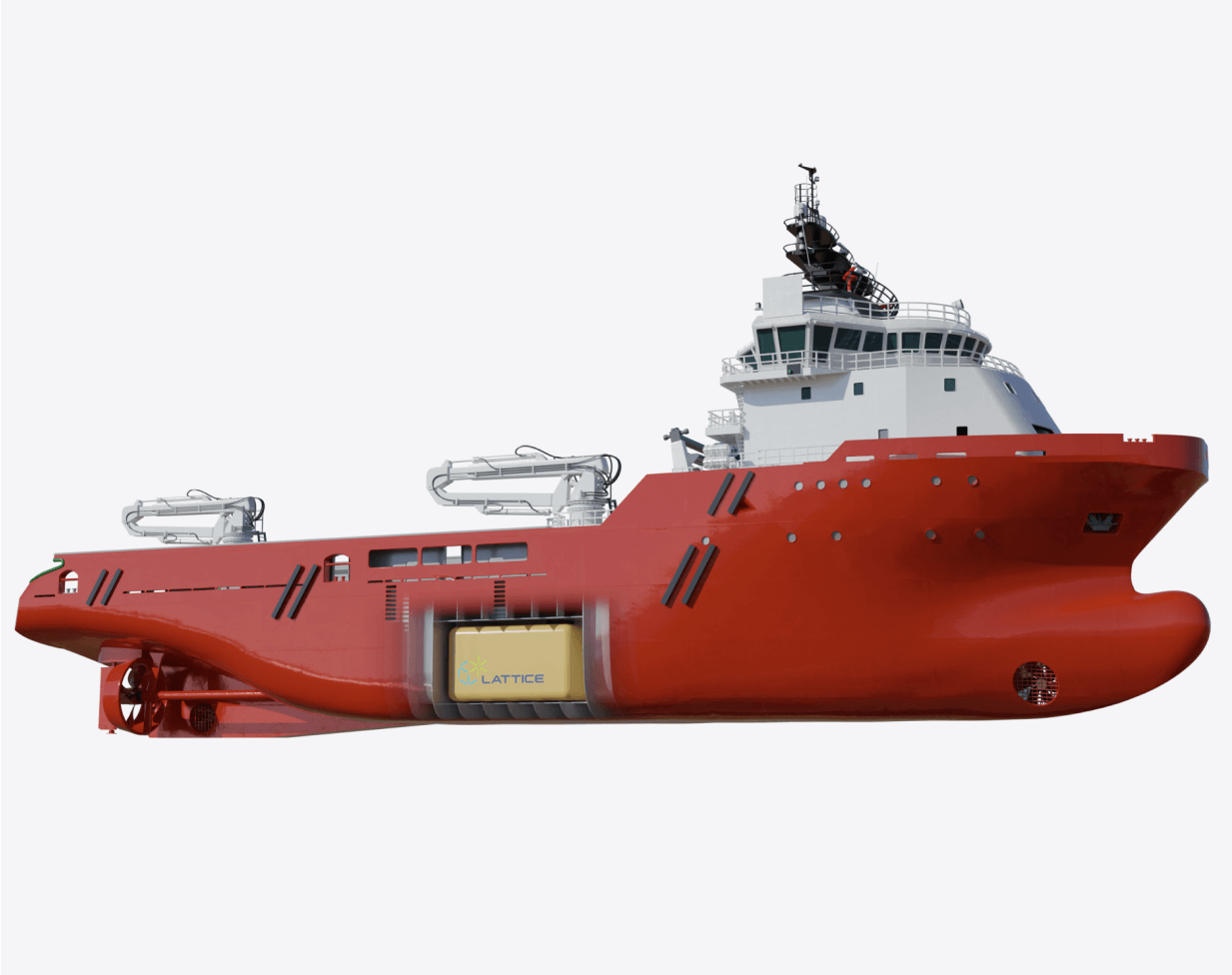
Yes. Our dual-purpose designs allow the same containment system to be used either for storing fuel (e.g. LH₂, NH₃) or for transporting it as cargo. This flexibility is especially valuable during transitional phases or for multi-role vessels and vehicles.
Our containment systems are engineered for high-pressure and low-temperature conditions, including those required to safely store liquid hydrogen and liquid CO₂. We also provide integrated vacuum insulation to reduce boil-off and thermal losses.
Yes. All containment systems are developed in accordance with international standards and approved by major authorities, including:
- ASME
- US Coast Guard
- Major Classification Societies
This ensures safe deployment across maritime, industrial, and energy infrastructure projects.